.png)
Helping Tweens Thrive in a Digital World


No Phone Zones: 6 Practical, Real-Life Tips for Parents to Help Tweens Build Healthier Screen Habits at Home
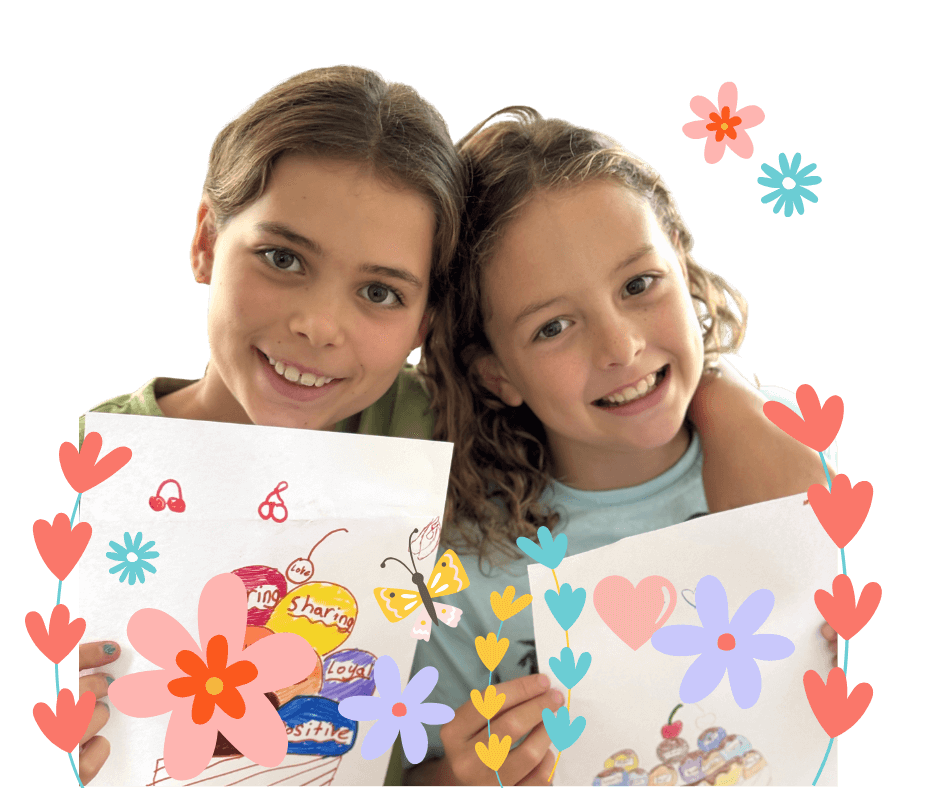
Kids today are surrounded by screens at every turn — whether it’s searching for information, finding ideas, school work, gaming, social media or just passing the time. In my tween programs, I notice that when given a chance to create, some of them immediately want to look things up online for ideas and inspiration. Their iPads and laptops are ready to do the thinking for them, and I find myself encouraging them to trust their own imagination. There’s no “right” way to draw, build, or express themselves, and sometimes the messiest, most hands-on approach is exactly what their brains need.
Recently I learnt the term friction-maxxing. This buzz word means deliberately choosing the less convenient, more effort-based option in everyday life — on purpose. Instead of going for what’s fastest, easiest, or most automated, you choose things that require a bit more time, effort, or thought.
I’ve been reflecting a lot on this lately, especially as I watch them navigate a world where convenience is everywhere. Seeing this makes me think about how different life is for younger generations. For many of us, life has always had plenty of "friction" — tasks that took effort and creativity. But today, almost everything is just a tap away. That’s why there’s something so grounding about choosing the slower option: doing things by hand, creating space to think, and resisting the urge to outsource everything just because we can. Apparently, some people are even pledging never to use ChatGPT — and honestly, with all the evidence about what it’s doing to our brains, I can see the appeal.
Insights from Gen Z and Gen Alpha
I recently attended a masterclass with Shine From Within founder, Amanda Rootsey, who works closely with Gen Z and Gen Alpha. She shared some fascinating insights:
Kids are turning to AI first for problem-solving, often before teachers, parents, or even trying themselves.
Over-relying on AI can limit divergent thinking — the foundation of creativity.
Growing up in a world full of conflicting information is fostering “epistemic mistrust” — uncertainty about what and who to believe, linked to anxiety and low confidence.
When I look at what I’m seeing day-to-day, this really resonates. I’ve noticed with my own daughters that even without having Instagram or TikTok themselves, they’re still absorbing the messages. Trends around appearance, makeup, and skin care can leave them confused about what’s “right” — and quietly questioning if they need these things just to feel enough.
Why Offline Experiences Matter
So it makes sense why there’s a real pull toward offline, hands-on experiences. Kids aren’t being nostalgic — that’s for their parents! — they’re craving what their brains actually need: effort, focus, real-world interaction, and yes, even boredom.
Amanda has noticed some trends in Gen Z: run clubs, book clubs, walking groups, drawing sessions, early morning coffee meetups, no-phone hangouts… and even carrying analogue bags. It’s bittersweet — this is literally how I grew up, but now these experiences are something young people have to consciously choose. They didn’t pick the world they were born into, which is why creating spaces for their brains to slow down and grow naturally is so important.
So you can call it friction-maxxing, going analogue, or maybe even “going ’80s.” Helping tweens and teens engage in offline, creative, slightly challenging experiences -- That feels like exactly the kind of support they need right now.
No Phone Zones: 6 Tips for Parents
Unplug Together: Spend 30–60 minutes on a shared screen-free activity — Leave all phones at home or put them out of sight and go for a walk, kick a ball, draw, cook or craft — and let everyone fully tune in.
Family Creative Challenge: Give them a blank notebook, paints, or building materials and let them go wild. Who can create the wildest house, tree, flower, or beach? The choice is yours! There’s no “right” answer — the process is what matters. Winner chooses next challenge!
Everyday Adventures: Turn routine tasks into meaningful challenges. Cooking, gardening, or organising their space counts as “productive struggle” that builds confidence and satisfaction.
Analog Essentials: Keep journals, sketchbooks, or craft kits handy. Encourage them to reach for these instead of screens during downtime. You can even frame it as a “trade-off”: 30 minutes of analog time earns 30 minutes of screen time. Explain to your kids that balancing creative, hands-on experiences with screen use helps their brains stay happy and healthy.
Shared Screen Fun: Everybody loves a “scroll” or watching their favourite series — but instead of solo iPad time, watch together on the TV. Co-viewing supports interaction and learning, while handheld devices used alone are more likely to pull attention away and disrupt real-world engagement.
Lead the Way: Model slowing down, resisting instant digital solutions, and enjoying offline experiences — kids notice more than we think.
Hands-On Matters
Encouraging offline, hands-on experiences isn’t about banning screens or trying to rewind time. It’s about giving young people the space to explore, create, and engage with the world in a way their brains actually need. Whether it’s a no-phone hangout, a family creative challenge, or simply reaching for a sketchbook instead of a tablet, these small choices can make a big difference.
Let’s help them find the joy in doing things a little slower, a little messier, and a lot more meaningful.
Want More Support?
At My Remarkable Self Australia, we work alongside parents to help girls aged 8–13 build confidence, understand their emotions, and develop strong, healthy friendships.
Our programs focus on helping girls:
• build genuine self-confidence • navigate friendship challenges • understand and manage emotions • communicate clearly and kindly • develop leadership and resilience • Self-care and well-being
Learn more: www.myremarkableselfaustralia.com.au
Instagram: myremarkableself_australia


Comments